

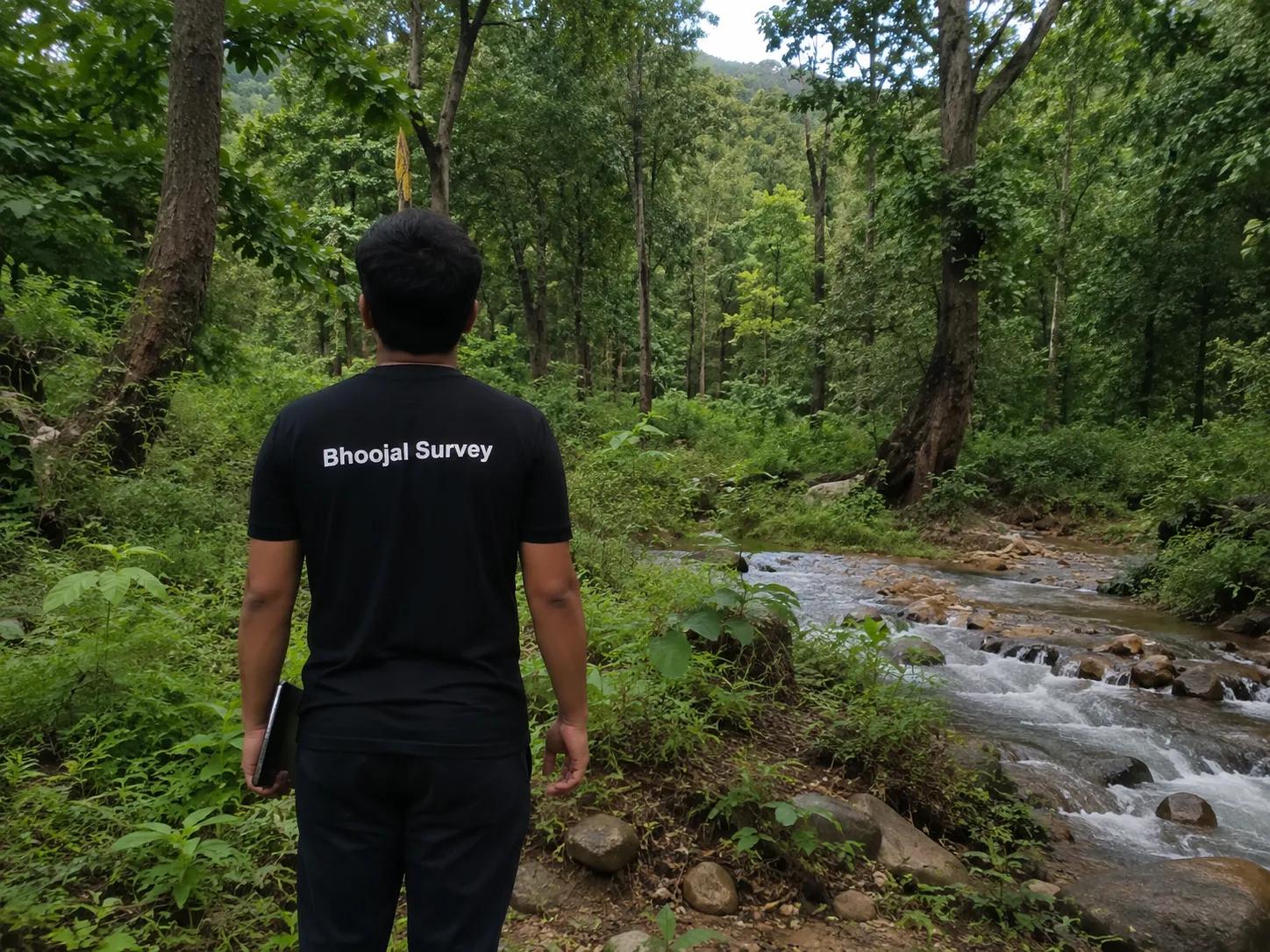
Ecological Survey Services: Scientific Assessment for Sustainable Development
Introduction
An ecological survey is a scientific study that evaluates flora, fauna, habitats, and ecosystems within a proposed project area. It identifies biodiversity value, potential environmental risks, and conservation needs before construction or industrial activity begins.
For infrastructure developers, mining companies, renewable energy firms, and government agencies, an ecological survey is often the first step toward securing environmental clearance. It supports sustainable project planning by highlighting sensitive species, protected habitats, and ecological constraints early in the design process.
A well-conducted ecological assessment reduces regulatory delays, protects biodiversity, and strengthens compliance with national environmental laws — making it essential for any large-scale development in India today.
What is an Ecological Survey?
An ecological survey is a structured field and desk-based investigation that documents the biodiversity, vegetation, and wildlife present in a given landscape. Its core objectives include.
1. Identifying flora and fauna species, including protected or endangered ones
2. Mapping habitats and ecosystem types
3. Assessing ecological sensitivity of the project site
4. Supporting Environmental Impact Assessment (EIA) documentation
5. Guiding mitigation and conservation planning
This ecological assessment combines field observation with scientific analysis, forming the foundation for environmental clearances across industries such as mining, energy, transport, and urban infrastructure.
Methods Used in Ecological Survey
A professional ecological survey uses a combination of field-based and technology-driven methods:
1. Flora surveys – cataloguing plant species, vegetation cover, and forest types
2. Fauna surveys – recording mammals, birds, reptiles, and aquatic species
3. Habitat assessments – evaluating ecosystem quality and ecological corridors
4. Biodiversity mapping – spatial documentation of species distribution
5. GIS and remote sensing – advanced environmental survey technologies for land-use and habitat analysis
6. Seasonal ecological monitoring – tracking species behaviour and migration across seasons
This scientific ecological investigation and analysis ensures accurate, defensible data for regulatory submissions and long-term biodiversity management.
Benefits of Ecological Survey
A thorough ecological survey delivers measurable value across environmental, regulatory, and business dimensions:
1. Faster environmental clearances through complete, compliant documentation
2. Biodiversity conservation by identifying sensitive species early
3. Sustainable project planning that avoids ecologically fragile zones
4. Regulatory compliance with MoEFCC and state environmental norms
5. Reduced environmental risks and litigation exposure
6. Better decision-making for site selection and design modifications
These benefits make ecological survey services a critical investment rather than a compliance formality.
Applications of Ecological Survey
Ecological surveys are required across a wide range of development sectors in India:
1. Infrastructure projects, including highways and railways
2. Solar and wind energy projects
3. Mining and quarrying developments
4. Industrial and manufacturing units
5. Urban development and real estate projects
6. Environmental Impact Assessment (EIA) studies
7. Wildlife and forest conservation planning
Government agencies, industrial project developers, and forest authorities increasingly rely on ecological survey services to meet both environmental clearance requirements and long-term sustainability goals.
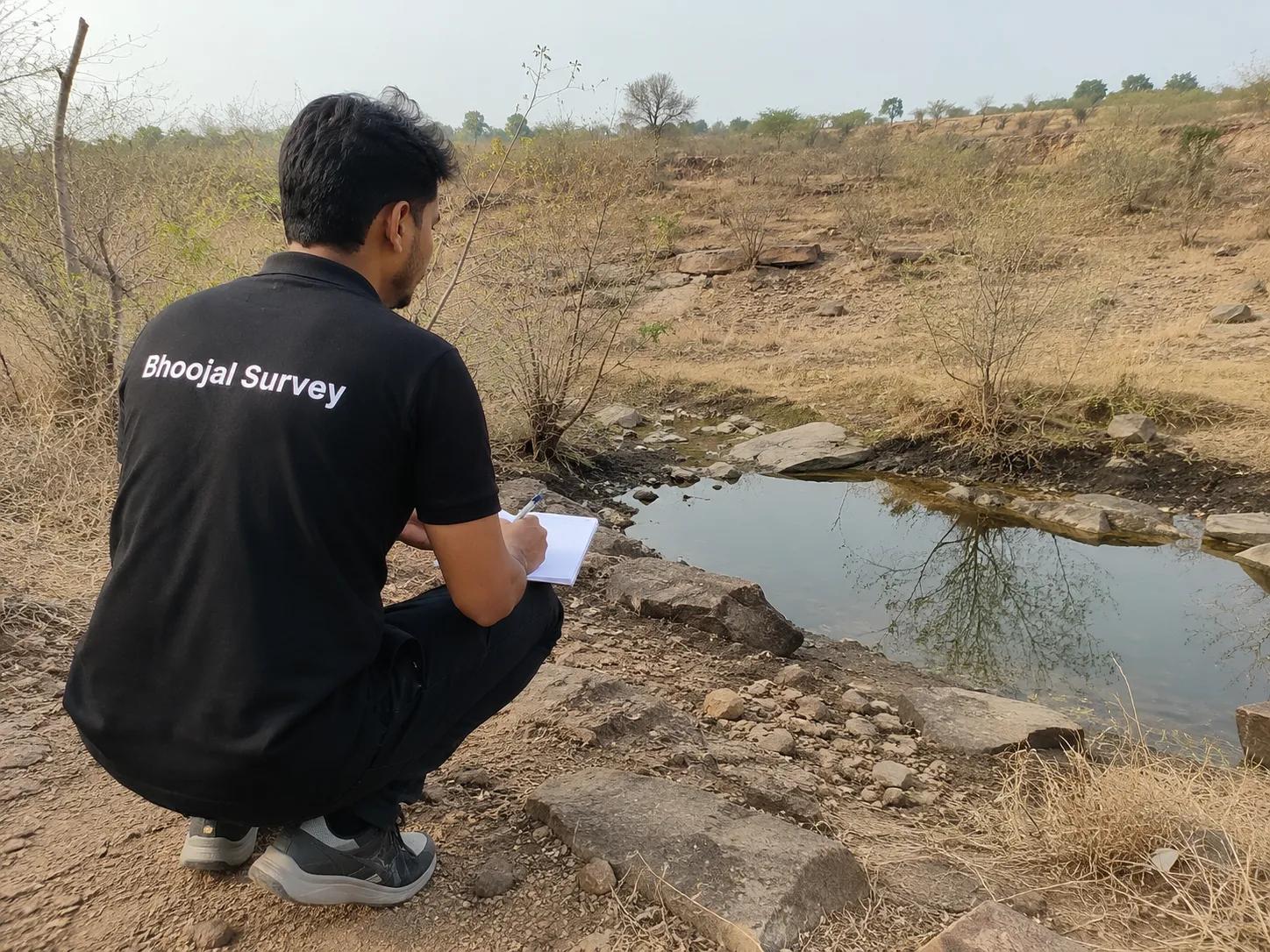
Why Choose Bhoojal Survey
Bhoojal Survey brings specialized expertise to every ecological assessment project:
1. Experienced environmental experts and ecologists with field-tested knowledge
2. Scientific biodiversity assessment methods aligned with regulatory standards
3. Advanced GIS and field survey technologies for accurate ecosystem mapping
4. Professional environmental reporting suited for EIA and clearance submissions
5. Pan-India consultancy services across diverse ecological zones
6. Customized ecological survey solutions for infrastructure, energy, and industrial clients
7. Deep expertise in environmental compliance and regulatory approvals
Conclusion
An ecological survey is a vital step in responsible project development, protecting biodiversity while enabling faster, compliant environmental clearances. Scientific ecological assessments help infrastructure developers, energy companies, and industrial project owners plan sustainably and avoid costly ecological risks.
Bhoojal Survey's experienced team delivers accurate, regulation-ready ecological survey services across India. Contact Bhoojal Survey today for a professional ecological consultation and build your project on a foundation of scientific environmental compliance.
FAQs
1. What is an ecological survey?
An ecological survey is a scientific assessment of flora, fauna, and habitats in a project area to identify biodiversity value and environmental risks.
2. Why is an ecological survey important?
It supports environmental clearances, protects biodiversity, and helps developers plan projects sustainably while meeting regulatory requirements.
3. Which projects require an ecological survey?
Infrastructure, mining, solar and wind energy, highways, railways, industrial, and real estate projects typically require an ecological survey for environmental clearance.
4. What is included in an ecological survey?
It includes flora and fauna documentation, habitat assessment, biodiversity mapping, GIS analysis, and seasonal ecological monitoring.
5. How long does an ecological survey take?
Duration depends on project size and seasonal requirements but typically ranges from a few weeks to several months for multi-season studies.