

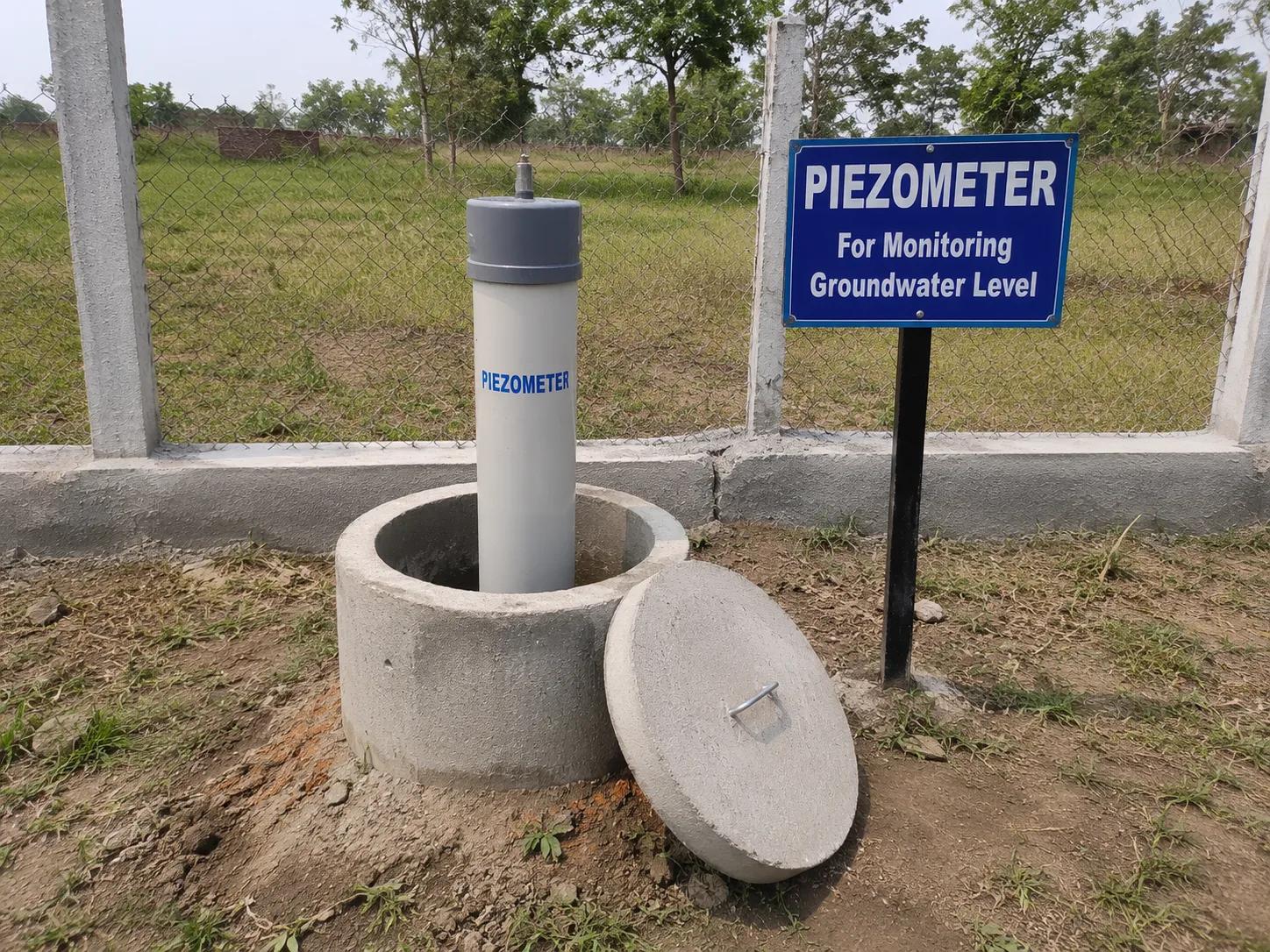
Piezometer: Accurate Groundwater and Pore Water Pressure Monitoring
Introduction
A piezometer is a scientific instrument used to measure groundwater level and pore water pressure at a specific depth below the surface. It provides critical data for infrastructure, mining, and environmental projects where groundwater behaviour affects safety and stability.
For infrastructure developers, dam and tunnel project teams, and mining companies, a piezometer is essential for monitoring groundwater fluctuations and pore water pressure changes over time. It supports slope stability analysis, dam safety monitoring, and long-term groundwater management.
Accurate piezometer installation and monitoring help prevent structural risks, guide construction decisions, and ensure compliance with environmental and geotechnical safety standards across India.
What is a Piezometer?
A piezometer is a device installed in the ground or a borehole to measure groundwater pressure and water table levels at specific depths. Its key characteristics include:
1. Definition – an instrument that records pore water pressure and groundwater level
2. Purpose – to monitor groundwater behaviour beneath structures and slopes
3. Working principle – measures pressure changes transmitted through water or sensors
4. Types – standpipe piezometers, vibrating wire piezometers, and pneumatic piezometers
5. Importance – provides essential data for geotechnical and hydrogeological investigations
This groundwater monitoring tool is widely used in dam safety, mining, and infrastructure projects across India.
How Does a Piezometer Work?
A piezometer functions through a structured installation and monitoring process:
1. Installation process – placing the instrument at the required depth in a borehole
2. Water level measurement – recording the height of groundwater at that point
3. Pore water pressure monitoring – tracking pressure changes within soil or rock layers
4. Data collection – logging readings manually or through automated sensors
5. Monitoring techniques – periodic or continuous data recording depending on project needs
6. Interpretation of results – analyzing trends to assess groundwater and structural stability
At Bhoojal Survey, our teams support this process by conducting hydrogeological survey using SSRMPATS Instrument, GER DETECT, and PQWT at site for open well / borewell location.
This approach reflects our advanced groundwater and geotechnical monitoring solutions, built on scientific groundwater investigation and analysis for dependable results.
Benefits and Applications of Piezometer
Piezometers offer significant value across multiple project types:
1. Groundwater monitoring for long-term water table observation
2. Dam safety monitoring to track pore water pressure within embankments
3. Slope stability analysis for construction and mining sites
4. Mining projects requiring groundwater and pressure data
5. Construction projects near sensitive water tables
6. Environmental monitoring for regulatory compliance
7. Infrastructure development, including highways and railways
8. Aquifer management for sustainable groundwater use
These applications make piezometer installation a critical safety and planning tool across sectors.
Piezometer Installation and Monitoring Process
Bhoojal Survey follows a systematic approach for reliable piezometer performance:
1. Site assessment – evaluating geological and hydrogeological conditions
2. Borehole preparation – drilling to the required monitoring depth
3. Instrument installation – placing the piezometer accurately within the borehole
4. Calibration – ensuring precise pressure and level readings
5. Data logging – recording measurements manually or via automated systems
6. Maintenance – regular checks to ensure instrument accuracy
7. Long-term monitoring – ongoing observation for trend analysis and safety assessment
This structured process ensures piezometer data remains accurate and actionable throughout the project lifecycle.
Why Choose Bhoojal Survey
Bhoojal Survey delivers dependable piezometer solutions backed by technical expertise:
1. Experienced hydrogeologists and geotechnical experts handling complex projects
2. Advanced piezometer installation techniques suited to varied site conditions
3. Accurate monitoring and reporting for informed decision-making
4. Pan-India consultancy services across infrastructure, mining, and industrial sectors
5. Professional groundwater investigation backed by scientific methodology
6. Customized monitoring solutions tailored to each project's requirements
7. Strong support for infrastructure and environmental compliance needs
Conclusion
A piezometer plays a vital role in monitoring groundwater levels and pore water pressure, supporting safer infrastructure, mining, and construction projects. Scientific groundwater monitoring through accurate piezometer installation helps prevent structural risks and ensures long-term project stability.
Bhoojal Survey's experienced team delivers professional piezometer installation and monitoring services across India. Contact Bhoojal Survey today for a groundwater monitoring consultation and ensure reliable, data-driven insights for your project.
FAQs
1. What is a piezometer?
A piezometer is an instrument used to measure groundwater level and pore water pressure at a specific depth below the ground.
2. How does a piezometer work?
It is installed in a borehole and records pressure or water level changes, which are analyzed to assess groundwater behaviour.
3. Where is a piezometer used?
Piezometers are used in dams, mining sites, infrastructure projects, slopes, and construction areas requiring groundwater monitoring.
4. What are the different types of piezometers?
Common types include standpipe piezometers, vibrating wire piezometers, and pneumatic piezometers.
5. How often should a piezometer be monitored?
Monitoring frequency depends on project needs, ranging from continuous automated readings to periodic manual checks.