
Piezometer Monitoring
Groundwater is one of India's most critical natural resources, yet its behaviour beneath the surface remains largely invisible without the right instruments. A piezometer is one such essential instrument — a device that measures groundwater pressure and water table levels within an aquifer or subsurface formation. From mining operations and dam safety monitoring to industrial compliance and infrastructure development, piezometers are the backbone of reliable hydrogeological monitoring systems.
Understanding what a piezometer is and how it functions is fundamental for any project involving groundwater extraction, construction near water-bearing formations, or environmental compliance. Bhoojal Survey provides professional piezometer installation services and scientific groundwater monitoring solutions across India, helping industries and infrastructure developers make data-driven decisions.
What is Piezometer?
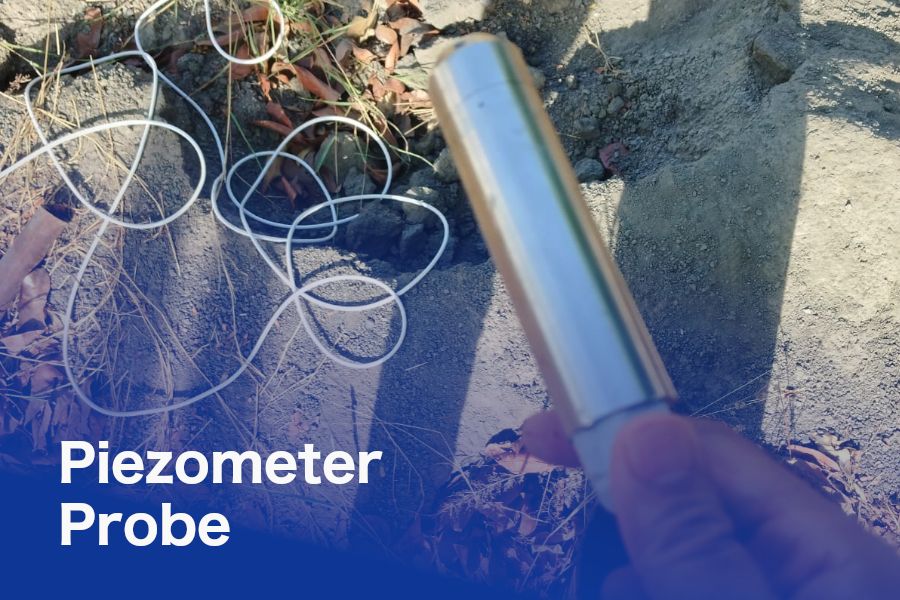
A piezometer is a groundwater monitoring instrument designed to measure the pressure head — or hydraulic head — of groundwater at a specific depth within an aquifer or soil formation. In simple terms, it tells us how high groundwater would rise in a tube if allowed to do so freely, which directly indicates the groundwater pressure at that point.
In hydrogeological investigation, piezometers serve as groundwater observation wells — they are installed into the ground to a defined depth and sealed so that only a specific zone of the aquifer communicates with the instrument. This isolation ensures that the readings reflect the true pressure condition of the target aquifer layer, making piezometer data highly accurate and scientifically reliable for water table monitoring systems and groundwater management decisions.
Why Piezometer Monitoring is Important
Piezometer monitoring is not optional for projects that interact with groundwater — it is a scientific and, in many cases, regulatory requirement. Here is why groundwater level monitoring through piezometers is indispensable:
1. Groundwater Level Tracking: Continuous piezometer data reveals seasonal fluctuations, depletion trends, and recharge patterns critical for sustainable groundwater management.
2. Environmental Compliance: Industries and mining projects must demonstrate groundwater impact monitoring to regulators, making environmental monitoring services legally essential.
3. Aquifer Pressure Analysis: Understanding aquifer pressure helps prevent over-extraction, land subsidence, and borewell failure in critical zones.
4. Mining and Construction Safety: Real-time piezometer monitoring alerts project teams to rising groundwater that could destabilise excavations, tunnels, or embankments.
5. Groundwater Recharge Monitoring: Piezometer networks track how effectively an aquifer replenishes itself, guiding long-term water resource planning.
Applications of Piezometer Monitoring
Piezometer monitoring systems are deployed across a wide range of sectors in India where groundwater interaction poses a technical, environmental, or regulatory challenge:
Mining Projects
Groundwater pressure measurement during dewatering operations prevents pit wall instability and ensures safe mining in water-bearing formations.
1. Infrastructure Developments
Highway, metro, and tunnel projects use aquifer monitoring systems to manage groundwater inflow during construction and post-construction settlement monitoring.
2. Dam & Reservoir Monitoring
Vibrating wire piezometers embedded in dam bodies and foundations provide continuous seepage and uplift pressure data for structural safety.
3. Industrial Groundwater Compliance
Manufacturing and processing industries install piezometer networks to document groundwater impact and meet CGWA and environmental monitoring service requirements.
4. Construction & Excavation
Deep excavations for basements and foundations require real-time borewell water monitoring to prevent flooding, dewatering failures, and ground movement.
5 Environmental Monitoring
Contamination plume tracking and groundwater recharge monitoring use piezometer observation well networks for scientific environmental assessment.
Why Choose Bhoojal Survey for Piezometer Monitoring
Bhoojal Survey stands among the most capable piezometer monitoring service providers and hydrogeological monitoring consultancies in India. Our capabilities include:
1. Experienced Hydrogeologists: Our team brings deep expertise in groundwater investigation, aquifer characterisation, and piezometer data analysis across diverse geological settings.
2. Advanced Monitoring Technology: We deploy standpipe, vibrating wire, and digital piezometer systems tailored to each project's depth, accuracy, and data-logging requirements.
3. Geophysical Pre-Survey: Every piezometer installation is supported by scientific groundwater monitoring and analysis using our advanced survey instruments, ensuring optimal placement and data quality.
4. Accurate Reporting: We deliver detailed groundwater level monitoring reports, hydrogeological assessments, and compliance documentation that meet regulatory standards.
5. Pan-India Services: Our piezometer monitoring services in India cover all states, from urban infrastructure corridors to remote mining and irrigation zones.
6. Customised Solutions: We design monitoring networks specific to your project scale, duration, and environmental compliance obligations.
Conclusion
A piezometer is far more than a simple measurement device — it is the foundation of reliable groundwater monitoring, aquifer management, and environmental compliance for industries and infrastructure projects across India. Whether you need to track water table fluctuations, meet CGWA regulatory requirements, or safeguard a construction site from groundwater hazards, piezometer monitoring gives you the scientific data to act with confidence.
Bhoojal Survey combines advanced geophysical investigation, professional piezometer installation, and accurate hydrogeological reporting to deliver groundwater insights that protect your project and satisfy regulators. Do not leave groundwater management to guesswork — trust the science.
■ Contact Bhoojal Survey for Expert Piezometer Monitoring Services
Scientific Groundwater Monitoring | Pan-India | Customised Hydrogeological Solutions
Frequently Asked Questions (FAQs)
Q1. What is a piezometer used for?
A piezometer is used to measure groundwater pressure and water table levels within an aquifer or soil layer. It helps hydrogeologists and engineers monitor groundwater behaviour for mining safety, dam monitoring, construction projects, industrial compliance, and scientific groundwater investigation across India.
Q2. How does a piezometer work?
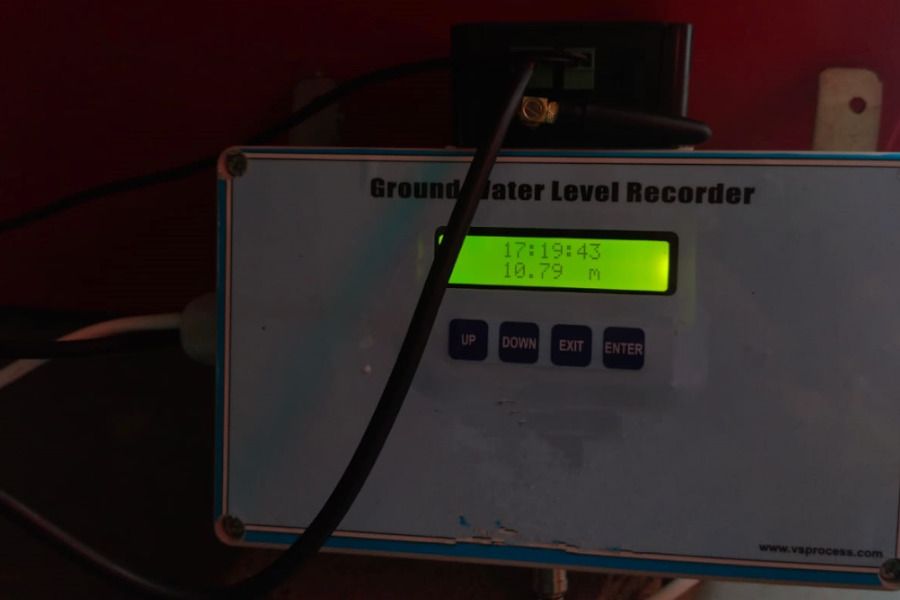
A piezometer works by measuring the hydraulic head — the height to which groundwater rises due to pressure — at a specific depth. Standpipe piezometers measure water level directly, while vibrating wire piezometers convert pressure into an electronic frequency signal for highly accurate, real-time digital groundwater monitoring.
Q3. What are the types of piezometers used in India?
The most commonly used types are standpipe piezometers (simple, cost-effective, suitable for long-term water table monitoring), vibrating wire piezometers (highly accurate, ideal for dam and deep aquifer monitoring), and digital piezometer systems (automated data logging with remote access for large infrastructure and industrial projects).
Q4. Why is groundwater monitoring important for industries in India?
Groundwater monitoring is essential for industries to comply with CGWA regulations, prevent over-extraction from notified aquifer zones, demonstrate environmental responsibility, and protect project sites from waterlogging or subsidence. Regulatory authorities require documented piezometer monitoring data for environmental clearance and groundwater NOC renewal.
Q5. Which industries require piezometer monitoring systems?
Industries that require piezometer monitoring systems include mining companies, dam and irrigation projects, highway and metro infrastructure developers, manufacturing and processing industries with high water usage, commercial real estate developers in water-sensitive zones, and construction projects involving deep excavations across India.