

Recharging of Ground Water: Complete Guide to Sustainable Solutions
Understanding India's Groundwater Crisis
Water tables across India are falling at an alarming rate. According to the Central Ground Water Board, over 60% of India's districts face critical groundwater depletion. The situation is dire in major urban centers:
- Cities like Bengaluru, Chennai, and Delhi have witnessed water levels dropping by 20 to 30 feet in the past decade alone.
- Farmers are drilling borewells deeper than ever before, often crossing 500 feet without finding adequate water.
- Traditional aquifers are drying up due to rapid urbanization and lack of natural percolation.
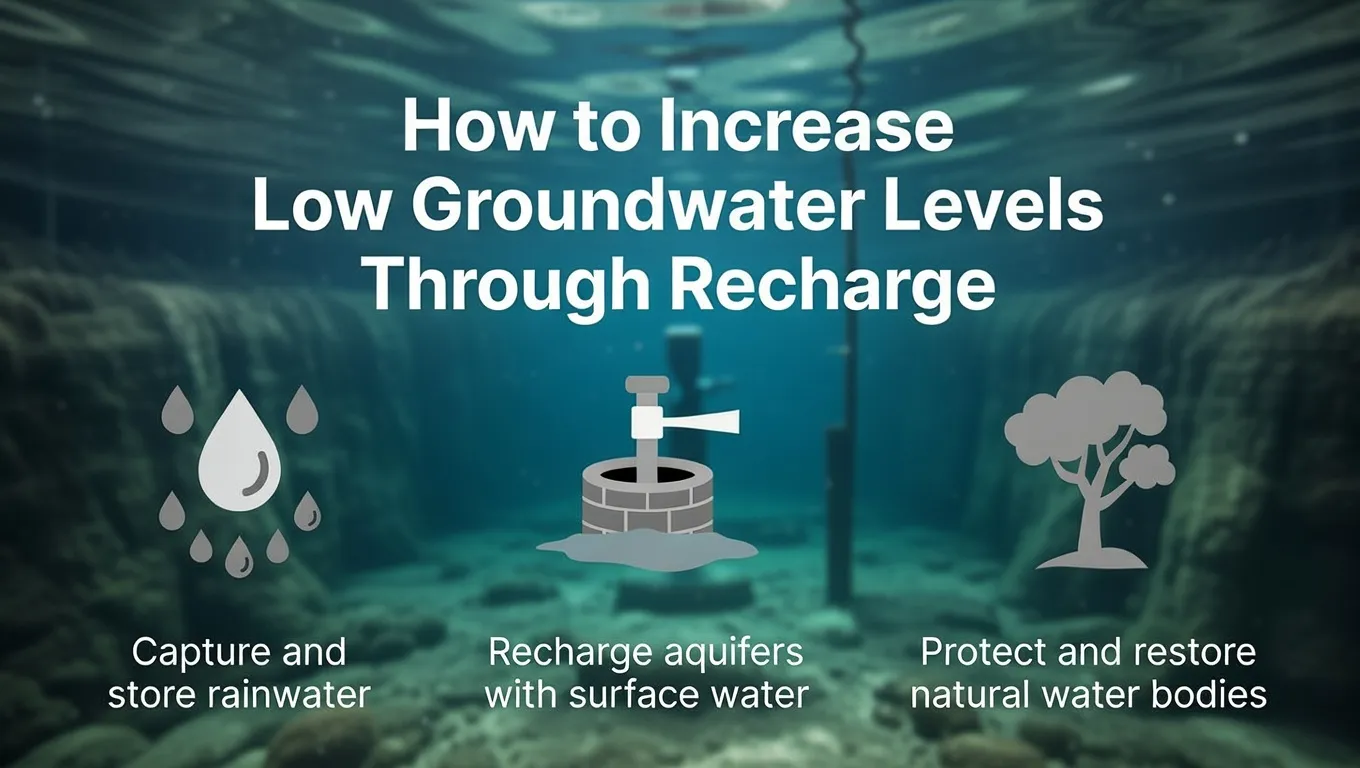
The most effective answer to this growing crisis lies in the scientific recharging of ground water. This sustainable practice involves sending water back into the earth to replenish underground aquifers. When implemented scientifically, recharging of ground water can reverse decades of depletion and secure water availability for future generations. Bhoojal Survey – Groundwater Survey Experts is a professional groundwater and hydrogeological survey service provider offering scientific solutions for effective water recharge and sustainable management across India.
What Does Recharging of Ground Water Really Mean?
Simply explained, recharging of ground water is the process of directing water back into underground storage zones called aquifers. These aquifers are natural formations made of porous rocks, sand, and gravel that hold vast amounts of water beneath the surface.
When we extract groundwater through borewells and wells faster than nature can replace it through rainfall, aquifers begin to dry up. Recharging of ground water reverses this damage by:
- Intentionally allowing rainwater to percolate deep into the soil.
- Refilling underground reservoirs through artificial structures.
- Reducing surface runoff waste by channeling water into the earth.
Why Recharging of Ground Water is Critical for Survival
The importance of actively managing groundwater levels cannot be overstated. Here are the compelling reasons why every community must prioritize the recharging of ground water:
- Prevents Complete Water Scarcity: Over 85% of rural India and nearly 50% of urban areas depend entirely on groundwater.
- Stops Land Subsidence: When underground water disappears, empty voids form below the surface, causing land to sink and creating cracks in buildings.
- Improves Water Quality: Recharging of ground water dilutes harmful salts and pollutants, making it safer for consumption.
- Reduces Dependency: Communities with good recharge systems do not need expensive tanker water.
- Economic Benefits: Reliable groundwater means lower pumping costs and better agricultural productivity.
Proven Methods for Recharging of Ground Water
Multiple techniques exist for effective groundwater recharge. The best choice depends on your location, soil type, available space, and water needs. Here are the most successful methods currently being implemented:
1. Rainwater Harvesting Systems
The most practical approach involves capturing rainwater from rooftops. A 1,000 square feet roof can harvest approximately 55,000 liters from just 100mm of rainfall. Key benefits include:
- Direct utilization for household needs.
- Excess water is used for recharging of ground water via pits.
- Low cost of installation and maintenance.
2. Recharge Pits and Trenches
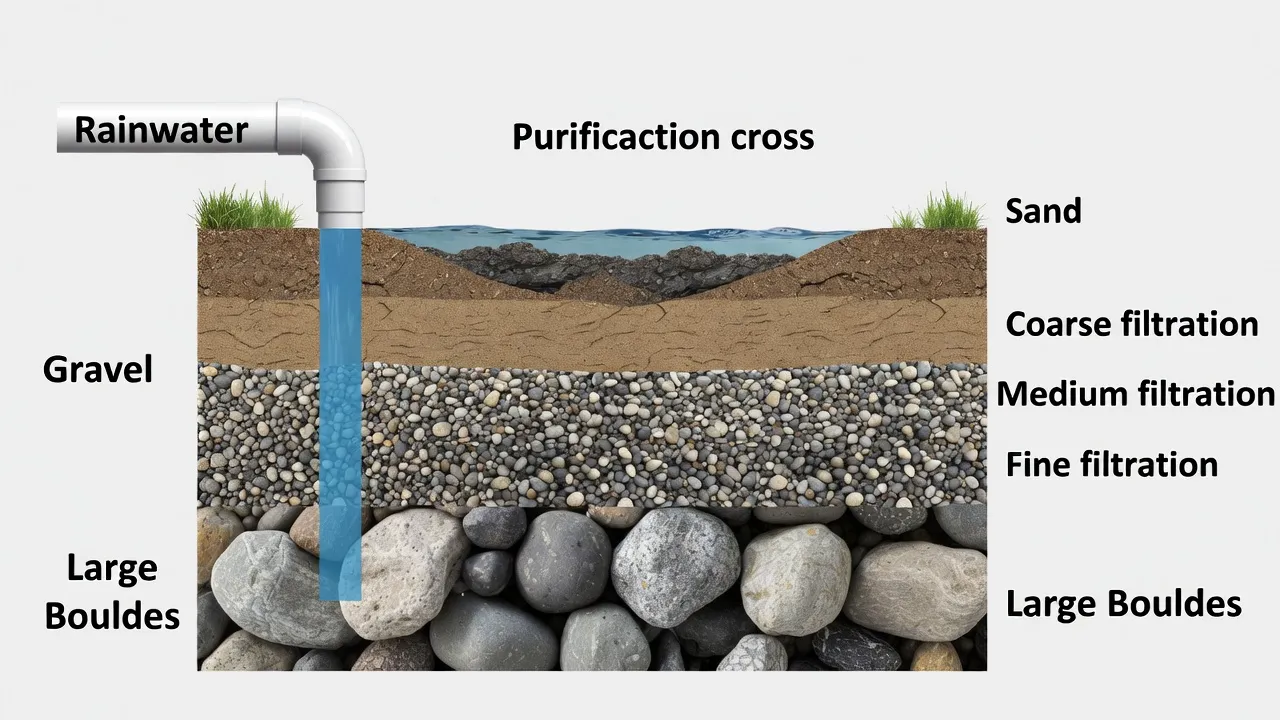
These simple excavated pits are filled with layers of sand, gravel, and boulders that act as natural filters. Rainwater collects in these pits and gradually seeps into the aquifer below. They work exceptionally well in areas with sandy or permeable soils for efficient recharging of ground water.
3. Dedicated Recharge Wells
Unlike regular borewells that extract water, recharge wells are specifically designed to inject water back into the aquifer. These are particularly effective in hard rock regions where surface soil has poor absorption capacity. This is a highly effective method for rapid aquifer recharge.
4. Borewell Recharge Systems
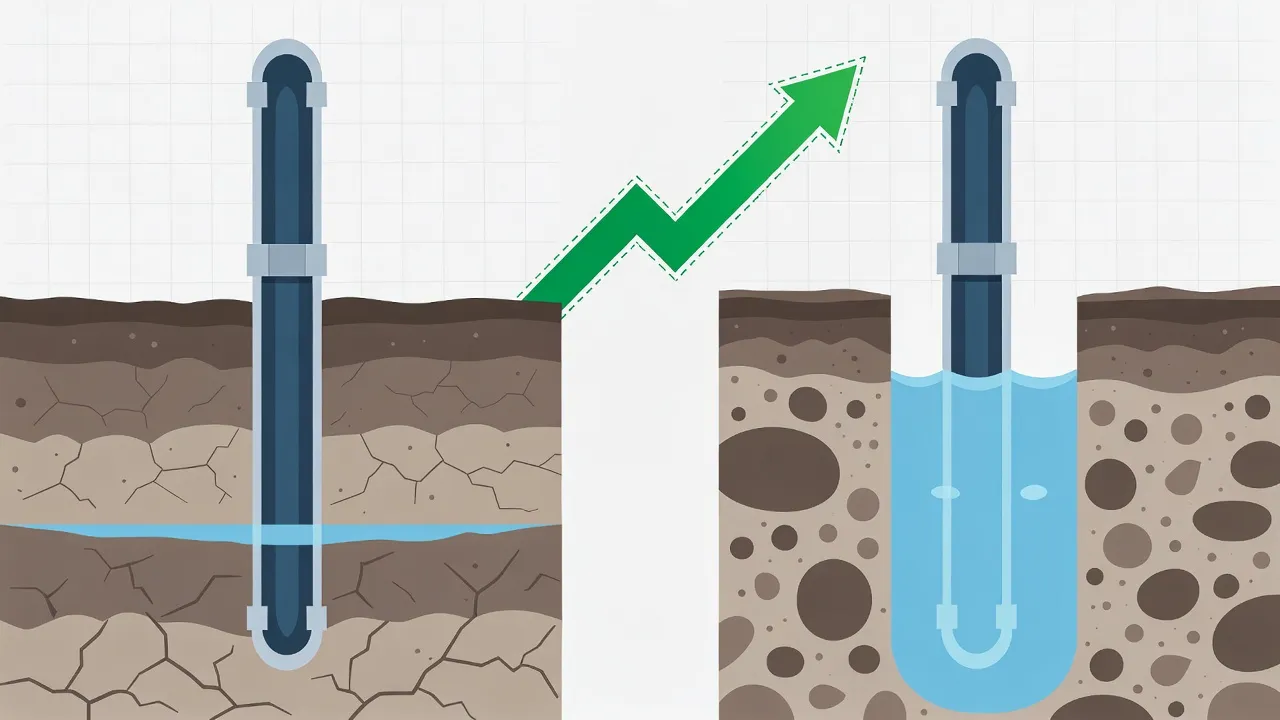
Existing borewells can be converted into dual-purpose systems. During the monsoon season, instead of pumping water out, you reverse the flow and send filtered rainwater down into the aquifer. This method of recharging of ground water is ideal for urban homes and buildings where space is limited.
5. Percolation Tanks and Farm Ponds
In agricultural settings, large-scale percolation tanks capture surface runoff. These tanks allow water to slowly percolate, benefiting entire villages by raising regional water tables.
The Critical Role of Scientific Groundwater Surveys
Many recharging of ground water projects fail because they are installed at the wrong location. Not every spot on your property is suitable. A professional groundwater survey service uses advanced geophysical instruments to map subsurface geology.
Key advantages of a scientific survey include:
- Mapping Geology: Identifying aquifer depth and thickness.
- Soil Resistivity Testing: Measuring how electrical current passes through layers to find permeable zones.
- Site Selection: Locating the exact spot where recharging of ground water will be most efficient.
- Cost Saving: Eliminating guesswork prevents wasted investment on dry holes.
Real Success Story: Bhoojal Survey's Groundwater Recharge Project
A manufacturing facility in Gujarat faced a severe water crisis with borewells drying up. Bhoojal Survey conducted a comprehensive investigation. The survey revealed a highly fractured zone on the northern boundary suitable for recharging of ground water.
The Results:
- We installed a comprehensive collection system and directed rainwater to four new recharge wells.
- After the first monsoon, water levels rose by 42 feet.
- By the second monsoon, borewells recovered significant capacity.
- The factory eliminated tanker dependency and reduced energy costs by 35%.
FAQs: Recharging of Ground Water
Most property owners notice measurable improvement in their borewell water levels after one complete monsoon season. Sandy soils show faster results for recharging of ground water, sometimes within weeks, while hard rock areas may take two to three monsoon cycles for significant recharge.
Absolutely. Even regions with annual rainfall as low as 200-300mm can benefit substantially. Efficient catchment design maximizes every drop. Additionally, treated wastewater can be used for aquifer recharge year-round.
Not when proper filtration is used. Multi-stage filtration (sand, gravel, mesh) is essential to remove particles. Only clean water should enter recharge structures. Correct recharging of ground water actually improves quality by diluting salts.
If built over impermeable clay or rock, water will overflow instead of percolating. This wastes money. A professional groundwater survey helps identify the precise location for effective recharging of ground water.
For residential rooftop harvesting, permissions are usually not required; in fact, subsidies often exist. Large-scale recharging of ground water projects like check dams may need local authority approval. Always check local municipal regulations.
Maintenance is minimal. Clean rooftops/gutters before monsoon. Desilt filter chambers every 3-6 months. Inspect pipes for leaks. Regular maintenance ensures your recharging of ground water system lasts for decades.
Building a Sustainable Water Future
The groundwater crisis is reversible. Recharging of ground water offers a proven, sustainable solution that every property owner can implement. Whether you manage a small home or a large industry, capturing rainwater makes economic and environmental sense.
Start Your Groundwater Recharge Project
Get expert consultation and professional groundwater survey from Bhoojal Survey. Our technical team will assess your property to find the best spots for recharging of ground water.
Contact us today: +91-96918 58058