

Water Harvester: Guide to Rainwater Harvesting Systems

The Growing Need for Water Harvester Systems in India
Water scarcity is no longer a future problem—it is happening right now across India. Cities like Bengaluru, Chennai, and Delhi face severe water shortages every summer. Groundwater levels are dropping fast because we are pumping out more than nature can refill. This is where a water harvester becomes essential for every home, farm, and factory.
A water harvester is not just a pipe and tank setup. It is a complete rainwater harvesting system that collects, filters, and stores rainwater for later use or sends it underground to recharge your borewell. Instead of letting precious rainwater flow into drains, you capture it and make it work for you. This simple idea can solve your water problems for good.
What Exactly is a Water Harvester?
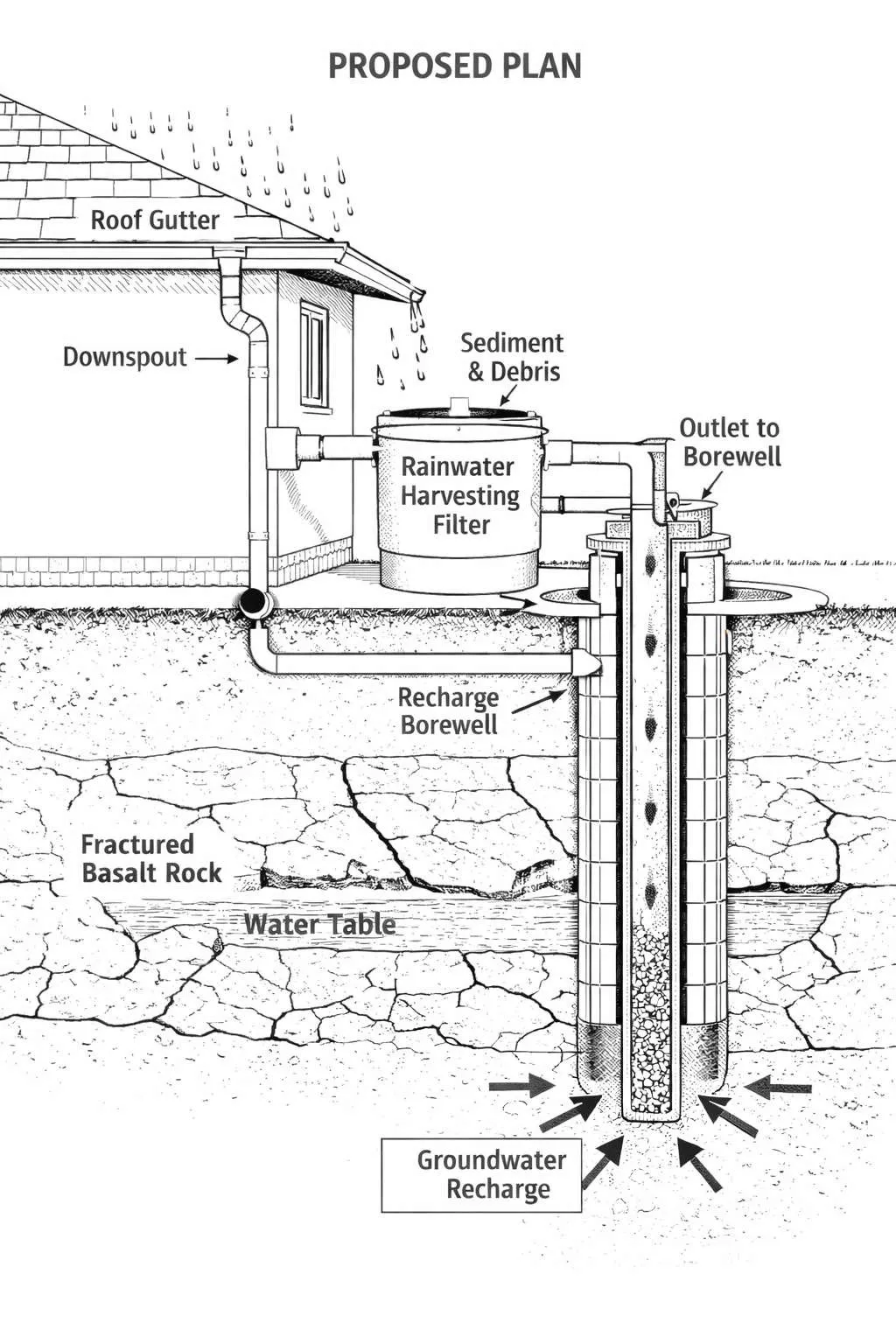
Think of a water harvester as a smart system that catches rain before it goes to waste. When it rains, water falls on your roof. Normally, this water runs off into the street or evaporates. But with a proper rainwater harvesting system, every drop is collected through gutters and pipes.
The system has filters to remove leaves, dirt, and debris. Then the clean water either goes into storage tanks for daily use or flows into special recharge pits that send it deep into the ground. This process is called groundwater recharge. Over time, your borewell or well fills up naturally, and you don't need to depend on tanker water anymore.
How Does a Water Harvester Work Step-by-Step?
Understanding how the system works helps you see why it is so effective. Here is the simple process:
- Step 1 – Catchment Area: Your roof acts as the collection surface. Bigger roofs collect more water during monsoon.
- Step 2 – Gutter System: Rainwater flows into gutters installed along the edges of your roof.
- Step 3 – First Flush Device: The first rain washes dirt off your roof. This dirty water is automatically diverted away.
- Step 4 – Filtration: Clean rainwater passes through sand and gravel filters to remove tiny particles.
- Step 5 – Storage or Recharge: Filtered water either fills your overhead tank or flows into recharge wells to refill groundwater.
This entire process happens automatically during rain. You don't need to do anything. That is the beauty of a well-designed water harvester.
Different Types of Water Harvester Systems
Not all homes need the same type of system. Depending on your land, water needs, and budget, you can choose from several options:
1. Rooftop Rainwater Harvesting
This is the most common type in cities. Water from your roof goes into storage tanks or directly into recharge pits. Perfect for homes, apartments, and offices with limited space.
2. Surface Runoff Harvesting
If you have open land or a farm, this system collects rainwater that flows on the ground. The water is directed to ponds or trenches where it slowly seeps into the soil.
3. Borewell Recharge System
This is the most powerful method for borewell recharge. Filtered rainwater is sent directly into your existing borewell, raising the water table underground. Many farmers and industries prefer this method because it gives long-term benefits.
Key Benefits of Installing a Water Harvester
Why should you invest in a rainwater harvesting system? Here are the real advantages you will see:
- Stop Buying Expensive Water Tankers: Once your borewell is recharged, you get free water throughout the year.
- Reduce Electricity Bills: Less pumping from deep borewells means lower power consumption.
- Prevent Land Sinking: Groundwater recharge stops soil from collapsing due to empty underground spaces.
- Improve Water Quality: Rainwater is naturally soft and free from salts and chemicals found in municipal water.
- Environmental Protection: You reduce the burden on rivers and lakes by using rainwater instead.
- Government Incentives: Many states offer tax rebates and subsidies for installing water conservation systems.
Why Scientific Groundwater Survey is Critical Before Installation
Many people install a water harvester without checking where the water should go underground. This is a costly mistake. Not every spot on your property is suitable for groundwater recharge. Some areas have hard rock that blocks water, while others have the perfect soil to absorb rainwater quickly.
Before digging any recharge pit or borewell, you must conduct a professional groundwater survey service. This scientific study uses geophysical instruments to scan underground layers and find the best recharge location. It tells you exactly where water-bearing zones exist and where your rainwater will penetrate fastest.
A detailed hydrogeological survey studies the geology, soil porosity, and natural flow of groundwater. Without this data, you might drill at the wrong depth or install your recharge system in a spot where water cannot seep down. This means wasted money and no real benefit from your investment.
Understanding Soil Resistivity Test for Recharge Zones
One important technique used in groundwater surveys is the soil resistivity test. This method measures how easily electrical current passes through the soil. Different soil types and moisture levels give different readings.
Areas with low resistivity usually have more moisture and porous soil, making them ideal for groundwater recharge. High resistivity zones indicate dry or rocky layers where water will struggle to penetrate. By doing soil resistivity testing, experts can pinpoint the exact spot where your water harvester recharge pit should be placed for maximum efficiency.
Real Case Study: Bhoojal Survey's Water Harvesting Project
Let me share a real example from our work at Bhoojal Survey. A factory owner in Madhya Pradesh was facing a serious water crisis. His borewell had dried up, and buying tanker water every week was costing him over ₹50,000 per month. He wanted a permanent solution.
Our team first conducted a complete scientific groundwater survey on his 2-acre property. We used electrical resistivity profiling to map underground water zones. The survey revealed that the northwest corner had a fractured rock layer with excellent water storage capacity. The existing borewell was drilled in the wrong location.
Based on the hydrogeological investigation report, we designed a custom rainwater harvesting system. We installed gutters on the factory roof covering 5,000 square feet. The collected rainwater passed through a filtration chamber and then flowed into a newly constructed recharge pit at the identified high-potential zone.
After the first monsoon, the results were remarkable. The borewell water level increased by 18 feet. The factory owner stopped buying tanker water completely. He now has sufficient water for his industrial operations throughout the year. This success happened because we combined a quality water harvester installation with proper scientific site selection.

Water Harvester Solutions for Homes, Farms, and Industries
For Residential Properties
A typical house with a 1,000 square feet roof can harvest around 55,000 liters of water from just 100mm of rainfall. This is enough to meet drinking and cooking needs for a family of four for several months. Installing a rooftop rainwater harvesting system with a 5,000-liter storage tank costs between ₹40,000 to ₹80,000 depending on the setup.
For Agricultural Land
Farmers can use surface runoff systems to create farm ponds or percolation tanks. These structures collect rainwater from open fields and allow it to soak into the ground slowly. This method improves soil moisture and helps crops survive dry spells. It also recharges nearby wells and borewells naturally.
For Commercial and Industrial Buildings
Large factories, hotels, and office buildings have huge roof areas that waste thousands of liters during rain. A well-designed water harvester for commercial use can save millions in annual water procurement costs. Industries also benefit from reduced dependency on municipal water supply, which often faces restrictions during summer.
Installation Cost, Maintenance, and Long-Term Benefits
One common question is about cost. Installing a basic rainwater harvesting system for a home ranges from ₹35,000 to ₹1,00,000. The price depends on roof size, filtration quality, storage capacity, and whether you want direct recharge or tank storage.
For farms and industries, the cost can go higher because of larger catchment areas and additional civil work. However, the return on investment is excellent. Most homeowners recover their expenses within 3 to 5 years through savings on tanker water and reduced electricity bills for pumping.
Maintenance is minimal. You need to clean filters once every few months and check pipes before monsoon. The recharge pits should be desilted once a year to prevent clogging. That's it. A properly installed water harvester system can work efficiently for 20 to 30 years with very little upkeep.
| Component | Typical Cost (₹) | Lifespan |
|---|---|---|
| PVC Gutters & Pipes | ₹8,000 - ₹15,000 | 15-20 years |
| Filtration Chamber | ₹12,000 - ₹25,000 | 20-25 years |
| Storage Tank (5000L) | ₹15,000 - ₹30,000 | 10-15 years |
| Recharge Pit | ₹20,000 - ₹40,000 | 25-30 years |
Common Mistakes to Avoid When Installing Water Harvester
Many installations fail because people make these common errors:
- Skipping the Survey: Installing recharge pits without a proper groundwater survey often means water won't penetrate efficiently.
- Poor Filtration: Cheap or no filters result in dirt and silt clogging the recharge system within months.
- Wrong Pipe Size: Undersized pipes cause overflow during heavy rain, wasting precious water.
- No First Flush Device: The first rain is always dirty. Without diverting it, you contaminate your storage or recharge pit.
- Ignoring Maintenance: A system neglected for years will stop working. Annual cleaning is essential.
Government Policies and Mandatory Rainwater Harvesting Rules
Several Indian states have made water conservation through rainwater harvesting mandatory for new buildings. Tamil Nadu was the first state to enforce this in 2003. Today, cities like Chennai, Bengaluru, Hyderabad, and Delhi have strict rules.
Buildings with a certain roof area must install a water harvester system before getting occupancy certificates. Non-compliance can result in fines or disconnection of municipal water supply. Check your local building codes to know the exact requirements in your area. Installing the system voluntarily not only helps you save water but also keeps you legally compliant.
Frequently Asked Questions About Water Harvester
Q1. Can I drink rainwater collected through a water harvester?
Yes, but only after proper filtration and purification. Rainwater from roofs contains dust and bird droppings. Use multi-stage filters and UV or chlorine treatment before drinking. Many families use harvested rainwater for toilets, gardening, and washing, reserving treated water for drinking.
Q2. How much water can I harvest from my roof?
The formula is simple: Roof Area (sq. meters) × Rainfall (mm) × 0.9 = Liters collected. For example, a 100 sq. meter roof with 500mm annual rainfall can harvest about 45,000 liters per year. The 0.9 factor accounts for evaporation and spillage.
Q3. Will rainwater harvesting work in low-rainfall areas?
Absolutely. Even areas with 300-400mm annual rainfall can benefit significantly. The key is to maximize your catchment area and ensure efficient groundwater recharge. Every drop you collect reduces your dependency on external water sources.
Q4. How long does it take for groundwater to recharge after installation?
You will see noticeable improvement in borewell water levels within one to two monsoon seasons. However, the timeline depends on soil type, recharge pit design, and local geology. A scientific groundwater survey beforehand ensures faster and better results.
Q5. What maintenance does a water harvester need?
Clean filters every 3-6 months. Inspect gutters and pipes before monsoon. Desilt recharge pits once a year. Check for leaks in tanks. These simple tasks ensure your system works perfectly for decades. Total annual maintenance cost is usually under ₹5,000 for residential systems.
Final Thoughts: Why Water Harvesting is the Future
Climate change is making monsoons unpredictable. Some regions get flooding, while others face drought. The only way to protect yourself from this uncertainty is to capture and store rainwater when it falls. A water harvester gives you independence from unreliable municipal supply and expensive tanker services.
But remember, installation alone is not enough. The success of your rainwater harvesting system depends on proper planning. This is where professional help makes all the difference. Conducting a thorough groundwater survey service before any digging ensures you install the recharge system at the best possible location.
At Bhoojal Survey, we combine scientific geophysical surveys with practical rainwater harvesting solutions. Our experts don't just install pipes and tanks—we study your land, identify underground water zones, and design customized systems that deliver real results. Whether you need a simple rooftop rainwater harvesting setup for your home or a complex industrial recharge project, we provide end-to-end solutions.
Water is becoming more valuable than gold. Don't wait until your borewell runs dry. Start harvesting rainwater today and secure your water future for the next generation.
Ready to Install Your Water Harvester?
Get a free site evaluation and groundwater survey consultation from Bhoojal Survey experts. We serve clients across India with proven rainwater harvesting system installations backed by scientific planning.
Call us now: +91-96918 58058